
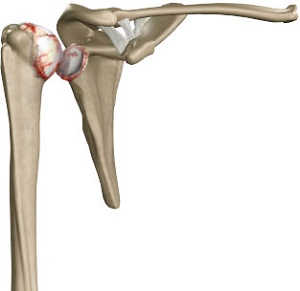
What is Arthritis of the Shoulder?
Shoulder arthritis is a condition characterised by the inflammation and degeneration of the shoulder joint, leading to pain, stiffness, and reduced range of motion. The shoulder joint is a ball-and-socket joint comprising the humerus (upper arm bone), scapula (shoulder blade), and clavicle (collarbone). The condition primarily affects the glenohumeral joint (where the humerus fits into the socket of the scapula) or the acromioclavicular (AC) joint (where the clavicle meets the acromion of the scapula).
Types of Shoulder Arthritis
Common types of shoulder arthritis include:
- Osteoarthritis (OA): The most common type, often referred to as "wear-and-tear" arthritis, where the cartilage cushioning the joint gradually wears away.
- Rheumatoid Arthritis (RA): An autoimmune disease that causes the body's immune system to attack the joint lining (synovium), leading to inflammation and joint damage.
- Post-Traumatic Arthritis: Arthritis that develops after an injury to the shoulder, such as a fracture, dislocation, or severe sprain.
Symptoms of Shoulder Arthritis
- Pain: Persistent or intermittent pain in the shoulder, which may worsen with activity or at night.
- Stiffness: Difficulty moving the shoulder, especially in the morning or after periods of inactivity.
- Swelling: Swelling and tenderness around the shoulder joint.
- Grinding Sensation: A feeling of grinding or catching in the shoulder joint during movement.
- Decreased Range of Motion: Limited ability to move the shoulder, especially lifting the arm or reaching behind the back.
Diagnosis of Shoulder Arthritis
Diagnosis typically involves:
- Medical History: Reviewing the patient's symptoms, medical history, and any previous injuries.
- Physical Examination: Assessing the shoulder for pain, range of motion, and signs of inflammation or deformity.
- Imaging: X-rays to evaluate joint space, bone spurs, and overall joint condition. MRI or CT scans may be used to assess the extent of cartilage damage and soft tissue involvement.
Treatment of Shoulder Arthritis
Conservative Treatment:
- Medications: NSAIDs for pain and inflammation, corticosteroid injections for temporary relief, and disease-modifying antirheumatic drugs (DMARDs) for rheumatoid arthritis.
- Physical Therapy: Exercises to strengthen shoulder muscles, improve flexibility, and maintain range of motion.
- Activity Modification: Avoiding activities that exacerbate symptoms and using heat or cold therapy.
Surgical Treatment:
- Arthroscopy: Minimally invasive surgery to remove loose cartilage, bone spurs, or inflamed tissue.
- Shoulder Replacement Surgery (Arthroplasty): Replacing the damaged parts of the shoulder joint with artificial components. Options include total shoulder replacement and reverse shoulder replacement.
- Resection Arthroplasty: Removing a small portion of the bone from the AC joint to alleviate pain.
Prognosis
- Conservative Treatment: Many patients experience significant pain relief and improved function with non-surgical treatments, though the condition may progress over time.
- Surgical Treatment: Surgical interventions, particularly shoulder replacement, have a high success rate in relieving pain and restoring function. Recovery time and rehabilitation vary depending on the procedure and individual patient factors.
- Long-term Outcome: With appropriate management, most patients can achieve a good quality of life, although some may require ongoing treatment to manage symptoms and maintain joint function.