What is Shoulder Impingement?
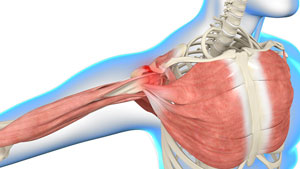
The shoulder is a ball-and-socket joint. The ball-shaped end of the upper arm bone (humerus) fits neatly into a socket called the glenoid, which is part of the shoulder blade or scapula. Various supporting structures aid in the smooth movement of the shoulder joint. The joint is held together and stabilised by a group of tendons called the rotator cuff. A fluid-filled sac called a bursa, located above the rotator cuff, helps in the frictionless movement of the shoulder.
Shoulder impingement is inflammation of the tendons of the shoulder joint. It is one of the most common causes of pain in the shoulder. Shoulder impingement is also called swimmer’s shoulder, tennis shoulder, or rotator cuff tendinitis.
What are the Causes of Shoulder Impingement?
Shoulder impingement occurs when the rotator cuff tendon rubs against the acromion, the bony tip of the outer edge of the shoulder blade. The causes of this impingement include:
- Irritated and inflamed bursa
- Torn or swollen tendon
- Age-related bone spurs
- Overuse
What are the Symptoms of Shoulder Impingement?
Some of the common symptoms experienced by individuals with shoulder impingement include:
- Severe pain at rest and during activities
- Stiffness of the arm and/or shoulder
- Difficulty in raising the hand overhead
- Radiating pain from shoulder to the arm
- Pain that affects your ability to sleep
- Loss of strength or weakness
- Reduced range of motion
How is Shoulder Impingement Diagnosed?
Diagnosis involves a review of your medical history and a thorough physical examination to assess range of motion with the affected shoulder. X-rays and MRI scans may be ordered to view the injury and inflammation and confirm the diagnosis.
What are the Treatment Options for Shoulder Impingement?
The main objective of shoulder impingement treatment is to decrease pain and restore normal shoulder function.
Conservative Treatment
Shoulder impingement can be treated with rest, ice packs, anti-inflammatory drugs, and avoiding activities involving the shoulder. Physical therapy may be advised to strengthen the muscles and steroid injections may be administered if pain persists.
Surgical Treatment
Surgery is considered when conservative treatment fails to provide relief.
The surgery may involve an open surgery with a large incision at the front of the shoulder or a minimally invasive arthroscopic surgery in which small keyhole incisions are made around the shoulder and a narrow tube fitted with a camera is inserted along with miniature surgical instruments to:
- Repair torn rotator cuff tendons
- Remove the inflamed portion of the bursa or a section of the shoulder bone or bone spurs to create more space for the rotator cuff to move freely without rubbing or catching on the bone
Prognosis
In summary, the prognosis for shoulder impingement is generally favourable, especially with early diagnosis and appropriate treatment. Most patients can achieve significant pain relief and improved function with conservative or surgical treatments.