What is Shoulder Trauma?
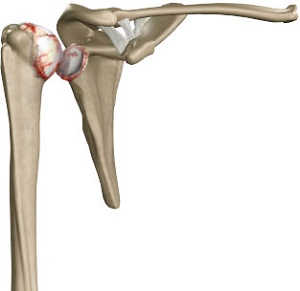
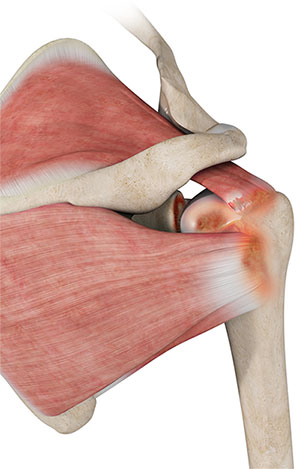
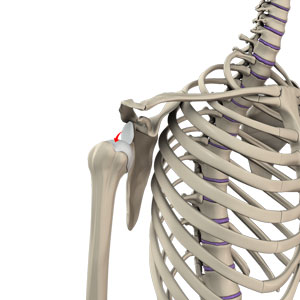
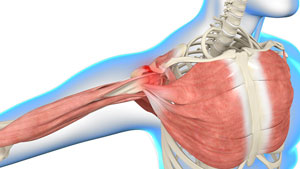
Shoulder trauma refers to any injury to the shoulder region, including the bones, muscles, tendons, ligaments, and other soft tissues. The shoulder is a highly mobile joint, making it susceptible to various injuries from accidents, falls, sports activities, or repetitive movements. Shoulder trauma can range from mild sprains and strains to severe fractures and dislocations.
Common Types of Shoulder Trauma
- Fractures:
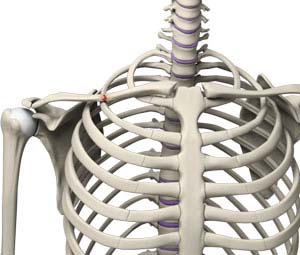
- Clavicle Fracture: Break in the collarbone.
- Proximal Humerus Fracture: Break in the upper part of the arm bone.
- Scapular Fracture: Break in the shoulder blade.
- Dislocations:
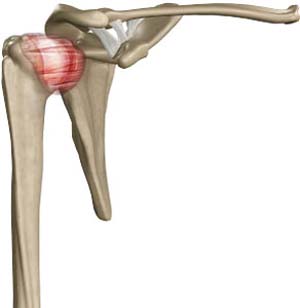
- Anterior Dislocation: The humeral head is displaced forward, out of the front of the socket.
- Posterior Dislocation: The humeral head is displaced backward, out of the back of the socket.
- Inferior Dislocation: The humeral head is displaced downward, below the socket.
- Sprains and Strains:
- Sprain: Stretching or tearing of ligaments.
- Strain: Stretching or tearing of muscles or tendons.
- Rotator Cuff Injuries:
- Tendinitis: Inflammation of the rotator cuff tendons.
- Tear: Partial or complete tear of the rotator cuff tendons.
- Labral Tears:
- SLAP Tear: Tear of the superior labrum from anterior to posterior.
- Bankart Tear: Tear of the labrum often associated with shoulder dislocations.
- Bursitis:
- Inflammation of the bursa, a fluid-filled sac that reduces friction between shoulder structures.
Causes of Shoulder Trauma
Common causes of shoulder trauma include:
- Trauma: Direct impact or blow to the shoulder, such as in car accidents or falls.
- Sports Injuries: Repetitive overhead activities or sudden impact in sports like baseball, football, or skiing.
- Falls: Falling onto an outstretched arm or directly on the shoulder.
- Overuse: Repetitive motions, especially overhead activities, can lead to chronic shoulder injuries.
Symptoms of Shoulder Trauma
- Pain: Varies in intensity depending on the severity of the injury.
- Swelling: May occur immediately or develop over time.
- Bruising: Can appear around the shoulder or down the arm.
- Deformity: Visible deformity, such as a bulge or asymmetry.
- Limited Range of Motion: Difficulty moving the shoulder or lifting the arm.
- Weakness: Reduced strength in the shoulder and arm.
- Numbness or Tingling: Possible nerve involvement leading to numbness or tingling in the arm or hand.
Diagnosis of Shoulder Trauma
- Medical History: Review of symptoms, mechanism of injury, and previous shoulder injuries.
- Physical Examination: Assessing the shoulder for deformity, swelling, tenderness, and range of motion.
- Imaging: X-rays to identify fractures or dislocations, MRI or CT scans to evaluate soft tissue injuries.
Treatment of Shoulder Trauma
Initial Management
- Rest: Avoid activities that exacerbate the injury.
- Ice: Apply ice packs to reduce swelling and pain.
- Compression: Use a compression bandage to minimize swelling.
- Elevation: Keep the shoulder elevated to help reduce swelling.
Specific Treatments
- Fractures:
- Non-Surgical: Sling or brace immobilization followed by physical therapy.
- Surgical: ORIF or shoulder replacement for complex fractures.
- Dislocations:
- Reduction: Repositioning the humeral head back into the socket.
- Immobilization: Use of a sling or immobilizer.
- Rehabilitation: Physical therapy to restore range of motion and strength.
- Sprains and Strains:
- Grade I (Mild): Rest, ice, compression, elevation, and physical therapy.
- Grade II (Moderate): Sling immobilization and physical therapy.
- Grade III (Severe): Possible surgical repair followed by rehabilitation.
- Rotator Cuff Injuries:
- Partial Tears: Conservative treatment with rest, ice, medications, and physical therapy.
- Complete Tears: Surgical repair and extensive physical therapy.
- Labral Tears:
- Conservative Treatment: Rest, physical therapy, and medications.
- Surgical Repair: Arthroscopic or open surgery for severe tears.
- Bursitis:
- Conservative Treatment: Rest, ice, medications, and physical therapy.
- Steroid Injections: For persistent inflammation and pain.
Pain Management
- Medications: NSAIDs for pain and inflammation, opioids for severe pain.
- Steroid Injections: For persistent pain and inflammation.
Rehabilitation and Physical Therapy
- Range of Motion Exercises: To prevent stiffness and maintain mobility.
- Strengthening Exercises: To rebuild muscle strength and support the shoulder joint.
- Functional Training: To help the patient return to daily activities and sports.