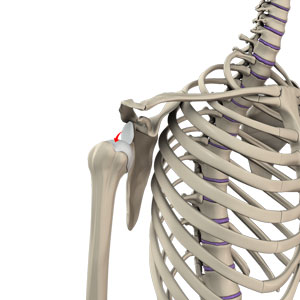
What is Shoulder Dislocation?
Shoulder dislocation occurs when the head of the humerus (upper arm bone) is forcibly displaced out of its socket in the scapula (shoulder blade). The shoulder joint often dislocates in the forward direction (anterior instability), and sometimes in the backward (posterior dislocation) or downward direction (inferior dislocation).
Causes of Shoulder Dislocation
Common causes of shoulder dislocation include:
- Trauma: Direct impact or blow to the shoulder, such as in contact sports or motor vehicle accidents.
- Falls: Falling onto an outstretched arm or directly on the shoulder.
- Sports Injuries: Repetitive overhead movements or sudden impact in sports like football, basketball, or skiing.
Symptoms of Shoulder Dislocation
Common symptoms of shoulder dislocation include:
- Severe Pain: Immediate and intense pain in the shoulder area.
- Visible Deformity: The shoulder may appear squared off or have a noticeable bulge.
- Swelling and Bruising: Swelling and possible bruising around the shoulder.
- Inability to Move the Joint: Difficulty or inability to move the shoulder or arm.
- Numbness or Weakness: Numbness, tingling, or weakness in the arm or hand, indicating possible nerve injury.
Diagnosis of Shoulder Dislocation
Diagnosis of shoulder dislocation may typically include:
- Medical History: Reviewing the patient's symptoms, the mechanism of injury, and any previous shoulder injuries.
- Physical Examination: Assessing the shoulder for deformity, swelling, range of motion, and neurovascular status.
- Imaging: X-rays are typically performed to confirm the dislocation, identify the type, and check for associated fractures. MRI or CT scans may be used to evaluate soft tissue damage.
Treatment for Shoulder Dislocation
Immediate Care:
- Reduction: A healthcare professional will perform a reduction maneuver to reposition the humeral head back into the socket. This may require sedation or anaesthesia to relieve pain and muscle spasms.
- Immobilisation: The shoulder is immobilised using a sling or shoulder immobiliser to allow the tissues to heal and reduce the risk of recurrent dislocation.
Rehabilitation:
- Physical Therapy: Exercises to restore range of motion, strengthen the shoulder muscles, and improve stability. Rehabilitation is crucial to prevent recurrent dislocations.
- Gradual Return to Activity: Patients are advised to avoid strenuous activities and sports until they regain full shoulder function.
Surgical Treatment:
- Indications: Surgery may be required for recurrent dislocations, significant soft tissue damage, or associated fractures.
- Procedures: Surgical options include arthroscopic repair of torn ligaments or the labrum, or open surgery to reconstruct and stabilise the shoulder joint.