
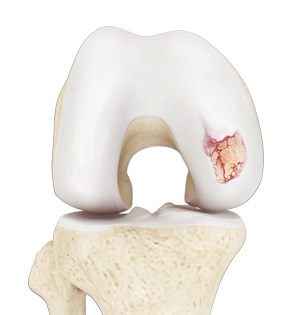
What is Knee Arthritis?
The joint surface is covered by a smooth articular surface that allows pain-free movement in the joint. Knee arthritis is a condition characterised by inflammation, degeneration, and deterioration of the cartilage in the knee joint. This condition leads to pain, stiffness, and reduced mobility in the affected knee.
What are the Types of Knee Arthritis?
Osteoarthritis (OA):
- The most common form of knee arthritis.
- Degenerative joint disease resulting from wear and tear of the cartilage.
- Commonly affects older adults but can occur in younger individuals due to joint overuse or injury.
Rheumatoid Arthritis (RA):
- An autoimmune disease where the body's immune system attacks the synovial membrane, leading to inflammation and joint damage.
- Can affect people of any age and often involves multiple joints symmetrically.
Post-Traumatic Arthritis:
- Develops after an injury to the knee, such as a fracture, ligament tear, or meniscal injury.
- The joint damage from the injury can lead to arthritis over time.
What are the Causes of Knee Arthritis?
There are numerous conditions that can cause arthritis but often the exact cause is never known. In general, but not always, it affects people as they get older (Osteoarthritis). Other causes include:
- Trauma (fracture)
- Increased stress such as overuse and overweight
- Infection of the bone
- Connective tissue disorders
- Inactive lifestyle and Obesity (overweight); Your weight is the single most important link between diet and arthritis as being overweight puts an additional burden on your hips, knees, ankles and feet.
- Inflammation (Rheumatoid arthritis)
What are the Symptoms of Knee Arthritis?
Symptoms of knee arthritis include:
- Pain: Persistent or intermittent pain in the knee, often worsening with activity.
- Stiffness: Reduced range of motion, especially after periods of inactivity or in the morning.
- Swelling: Inflammation can cause the knee to swell and feel warm to the touch.
- Grinding Sensation: A feeling of grinding, clicking, or cracking within the joint.
- Reduced Mobility: Difficulty in performing everyday activities such as walking, climbing stairs, or bending the knee.
- Deformity: In severe cases, the knee may appear deformed due to changes in bone structure and alignment.
How is Knee Arthritis Diagnosed?
- Medical History: Assessment of symptoms, onset, and progression.
- Physical Examination: Examination of the knee for swelling, tenderness, range of motion, and stability.
- Imaging Studies:
- X-rays: To assess joint space narrowing, bone spurs, and other changes indicative of arthritis.
- MRI: Provides detailed images of soft tissues, including cartilage, ligaments, and menisci.
- Laboratory Tests: Blood tests to detect markers of inflammation or autoimmune activity, particularly in cases of rheumatoid arthritis.
What are the Treatment Options for Knee Arthritis?
Non-Surgical Treatment
Medications:
- Analgesics: Pain relief medications such as acetaminophen.
- Nonsteroidal Anti-Inflammatory Drugs (NSAIDs): Reduce inflammation and pain (e.g., ibuprofen, naproxen).
- Corticosteroids: Oral or injected steroids to reduce severe inflammation.
- Disease-Modifying Antirheumatic Drugs (DMARDs): For rheumatoid arthritis to slow disease progression.
Physical Therapy:
- Exercises to improve strength, flexibility, and range of motion.
- Techniques to reduce pain and improve function.
Lifestyle Modifications:
- Weight management to reduce stress on the knee joint.
- Activity modifications to avoid excessive strain on the knee.
Assistive Devices:
- Use of braces, orthotics, or walking aids to support the knee and reduce pain.
Injections:
- Corticosteroid Injections: To provide temporary relief from inflammation and pain.
- Hyaluronic Acid Injections: To lubricate the joint and improve mobility.
Surgical Treatment
Arthroscopy:
- Minimally invasive surgery to remove loose cartilage or repair damage within the knee joint.
- Often used for milder cases or to delay more extensive surgery.
Osteotomy:
- Surgical procedure to realign the bones and reduce pressure on the affected part of the knee.
- Suitable for younger patients with localised arthritis.
Partial Knee Replacement:
- Replacement of only the damaged part of the knee joint with a prosthetic implant.
- Preserves healthy bone and cartilage in the rest of the knee.
Total Knee Replacement (TKR):
- Replacement of the entire knee joint with a prosthetic implant.
- Indicated for severe arthritis with extensive joint damage.