What is a Clavicle Fracture?
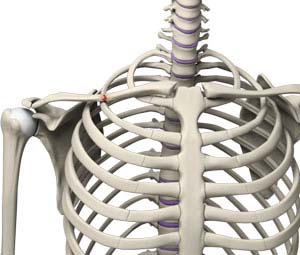
A clavicle fracture, commonly known as a broken collarbone, is a break in the clavicle bone, which connects the sternum (breastbone) to the scapula (shoulder blade). This type of fracture is relatively common, especially in children and young adults, and often results from falls, sports injuries, or direct trauma to the shoulder.
Causes of Clavicle Fractures
- Falls: Falling onto the shoulder or an outstretched arm can transmit force to the clavicle, causing it to fracture.
- Sports Injuries: High-impact sports such as football, hockey, rugby, and cycling are common causes of clavicle fractures.
- Direct Trauma: A direct blow to the shoulder or collarbone, often from a car accident or a contact sport, can result in a fracture.
- Birth Injuries: In some cases, clavicle fractures can occur during childbirth.
Types of Clavicle Fractures
- Midshaft Fractures: These occur in the middle part of the clavicle and are the most common type.
- Distal Fractures: These occur near the end of the clavicle, close to the shoulder.
- Medial Fractures: These occur near the end of the clavicle, close to the sternum.
Symptoms of a Clavicle Fracture
- Pain: Immediate and severe pain at the site of the fracture.
- Swelling: Swelling around the collarbone area.
- Bruising: Bruising and tenderness over the collarbone.
- Deformity: A noticeable bump or deformity at the site of the fracture.
- Limited Range of Motion: Difficulty moving the arm or shoulder.
- Grinding Sensation: A grinding or crackling sensation when moving the shoulder.
Diagnosis of Clavicle Fractures
Diagnosis typically involves:
- Medical History: Reviewing the circumstances of the injury and symptoms.
- Physical Examination: Assessing the clavicle for deformity, tenderness, and range of motion.
- Imaging: X-rays are the most common imaging technique used to confirm the fracture and assess its location and severity. CT scans or MRI may be used in complex cases.
Treatment of Clavicle Fractures
Conservative Treatment:
- Pain Management: NSAIDs or acetaminophen to manage pain.
- Immobilisation: Using a sling or figure-eight strap to keep the shoulder in place and allow the bone to heal.
- Physical Therapy: Once the bone starts to heal, physical therapy may be recommended to restore strength and range of motion.
Surgical Treatment:
- Indications: Surgery may be necessary for severely displaced fractures, open fractures, or fractures with associated vascular or nerve injuries.
- Procedures: Surgical options include open reduction and internal fixation (ORIF), where plates and screws are used to realign and stabilise the bone.
Prognosis
- Healing Time: Most clavicle fractures heal within 6 to 8 weeks in adults and 3 to 6 weeks in children.
- Complications: Potential complications include nonunion (failure to heal), malunion (healing in a poor position), and nerve or blood vessel injury. These complications are relatively rare.
- Long-term Outcome: With appropriate treatment, most individuals recover fully and can return to their normal activities, including sports.