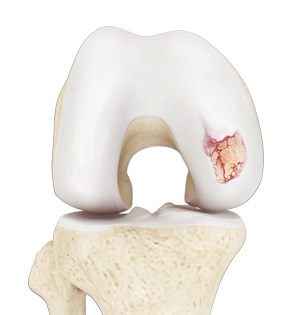
What is a Knee Fracture?
A knee fracture refers to a break in one or more of the bones that make up the knee joint. The knee joint is composed of three bones: the femur (thigh bone), the tibia (shinbone), and the patella (kneecap). Fractures can occur in any of these bones and can vary in severity from a small crack to a complete break.
What are the Causes of a Knee Fracture?
- Trauma: High-impact injuries, such as car accidents, falls from a height, or sports injuries.
- Osteoporosis: Weakened bones due to osteoporosis are more susceptible to fractures.
- Repetitive Stress: Overuse injuries in athletes or individuals engaged in repetitive, high-stress activities.
What are the Signs and Symptoms of a Knee Fracture?
Some of the signs and symptoms of knee fracture include:
- Inability to bear the weight
- Severe pain
- Instability
- Difficulty in walking
- Deformity in the leg
- Swelling/bruising
- Numbness or tingling
What are the Types of a Knee Fracture?
Fractures of the knee can include the following:
- Distal femur fracture: The distal femur is part of the femur bone that flares out like the mouth of the funnel. A distal femur (top part of knee joint) fracture is a break in the thigh bone that occurs just above your knee joint.
- Femoral shaft fracture: A femoral shaft fracture is a break that occurs anywhere along the femoral shaft, a long, straight part of the femur.
- Fractures of proximal tibia: A proximal tibial fracture is a break in the upper part of the shin bone or tibia. Proximal tibial fractures may or may not involve the knee joint. Fractures that enter the knee joint may cause joint imperfections, irregular joint surfaces, and improper alignment in the legs. This can lead to joint instability, arthritis, and loss of motion. These fractures are caused by stress or trauma or in a bone already compromised by diseases, such as cancer or infection. Proximal tibia fractures can result in injury to the surrounding soft tissues including skin, muscle, nerves, blood vessels, and ligaments.
- Tibial shaft fractures: A tibial shaft fracture is a break that occurs along the length of the tibia or shin bone (larger bone of the lower leg) between the knee and ankle joints.These fractures can occur while playing sports such as soccer and
How is a Knee Fracture Diagnosed?
Diagnosis is made through your medical history, physical examination, and other diagnostic imaging tests. X-rays are taken to know whether the bone is intact or broken. X-rays are also helpful to know the type and location of fracture. Your doctor may also recommend a computerised tomography (CT) scan to know the severity of fracture.
What are the Treatment Options for a Knee Fracture?
Treatment options include non-surgical and surgical. Non-surgical treatment involves skeletal traction and use of casts and braces. Skeletal traction involves placement of pins into the bone in order to realign broken bones. Surgery involves internal fixation and external fixation.
Internal Fixation
Intramedullary nailing: In this procedure a specially designed metal rod is placed into the marrow canal of the femur. Then the nail is passed on to reach the fracture site and keep it in place. The rod is secured in place with screws at both ends.
Plates and Screws fixation: In this procedure your surgeon will reposition the broken bone ends into normal position and then use special screws or metal plates on the outer surface of the bone to hold the bone fragments in place.
External Fixation
During the procedure, metal pins or screws are inserted into the middle of the femur and tibia and are attached to a device outside the skin to hold bone fragments in place to allow alignment and healing.
If your bone is fractured in many pieces, a plate or rod is fixed at both ends of the fracture to maintain the overall shape and length of the bone in place while it heals. In older patients where fracture healing delays, a bone graft taken from the patient or tissue bank may be used to form callous. In severe cases, the bone fragments are removed and the bone is replaced with a knee replacement implant.
Risks and Complications
The most common complications of surgery include infection, knee stiffness, delayed bone healing, and knee arthritis.
Prognosis
The prognosis of a knee fracture depends on several factors, including the type and severity of the fracture, the specific bones involved, the patient's age and overall health, and the effectiveness of the treatment and rehabilitation