What is a Meniscal Repair?
Meniscal repair is a surgical procedure aimed at fixing a torn meniscus in the knee. The meniscus is a C-shaped piece of cartilage that acts as a cushion between the femur (thigh bone) and tibia (shin bone). Meniscal tears are common knee injuries, particularly among athletes. Meniscal repair is preferred over meniscectomy (removal of the meniscus) when the tear is located in an area with good blood supply, as this allows for better healing and preservation of knee function.
What are the Indications for Meniscal Repair?
Meniscal repair surgery is typically indicated in the following cases:
- Location of Tear: Tears in the outer third of the meniscus (the "red zone") have a good blood supply and are more likely to heal.
- Type of Tear: Longitudinal, vertical, or bucket-handle tears are more amenable to repair.
- Patient Age and Activity Level: Younger, active patients are often better candidates for repair.
- Associated Injuries: Concurrent injuries, such as ACL tears, may influence the decision to repair the meniscus.
What Does Preparation for Meniscal Repair Involve?
In general, preparation for meniscus repair surgery may include the following:
- A thorough examination by your doctor is performed to check for any medical issues that need to be addressed prior to surgery.
- The doctor will ask you if you have allergies to medications, anaesthesia, or latex.
- You should inform your doctor about any medications, vitamins, or supplements you are taking.
- Additional imaging tests such as X-ray or MRI as needed
- You should refrain from alcohol or tobacco at least a week prior to surgery.
- You should not consume any solids or liquids at least 8 hours prior to surgery.
- Signing an informed consent form after discussing the potential risks, benefits, and outcome of the surgery.
What is the Procedure for Meniscal Repair?
In general, procedure for meniscal repair surgery may include the following steps:
- Anaesthesia: General or regional anaesthesia is administered.
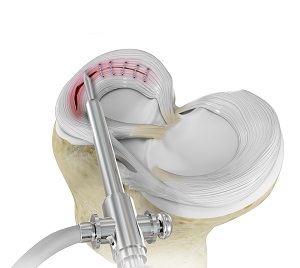
- Arthroscopic Surgery: Most meniscal repairs are performed arthroscopically using small incisions and a camera (arthroscope) to visualise the inside of the knee.
- Incision and Access: Small incisions (portals) are made to insert the arthroscope and surgical instruments.
- Evaluation of Tear: The surgeon evaluates the tear's location, size, and type with the help of the arthroscope. The arthroscope provides clear images of the surgical area (inside the knee) to your surgeon on a television monitor.
- Repair: Guided by these images, small miniature instruments are inserted through other small incisions and the supporting structures of the knee are gently moved out of the way to access the torn meniscus. The torn edges of the meniscus are brought together and secured with sutures or anchors.
- Closure: The incisions are closed with sutures or staples, and a sterile dressing is applied.
What Does Postoperative Care for Meniscal Repair Involve?
Postoperative care for meniscal repair surgery may include the following:
- You will be transferred to the recovery area where your nurse will closely observe you for any allergic/anaesthetic reactions and monitor your vital signs as you recover.
- You may notice some pain, swelling, and discomfort in the knee area. Pain and anti-inflammatory medications are provided as needed.
- Antibiotics may be prescribed to address the risk of surgery-related infection.
- Keep the surgical site clean and dry. Instructions on surgical site care and bathing will be provided.
- You will be placed on crutches with instructions on restricted weight-bearing. You are encouraged to walk with assistance as frequently as possible to prevent blood clots.
- You are advised to keep your leg elevated while resting to prevent swelling and pain.
- An individualised physical therapy regimen will be designed to help strengthen your knee muscles and optimise knee function.
- A periodic follow-up appointment will be scheduled to monitor your progress.
What are the Risk and Complications of Meniscal Repair?
Meniscus repair is a relatively safe procedure; however, as with any surgery, some risks and complications may occur, such as the following:
- Infection
- Damage to nerves and blood vessels
- Blood clots or deep vein thrombosis (DVT)
- Knee pain and stiffness
- Incomplete healing
- Re-tear
- Adverse reactions to anaesthesia
Prognosis
Meniscal repair is an effective surgical option for treating certain types of meniscal tears, particularly in younger, active patients. The procedure aims to preserve the meniscus, maintain knee function, and reduce the risk of long-term complications such as osteoarthritis. Successful outcomes depend on early diagnosis, appropriate surgical technique, and diligent postoperative rehabilitation.